

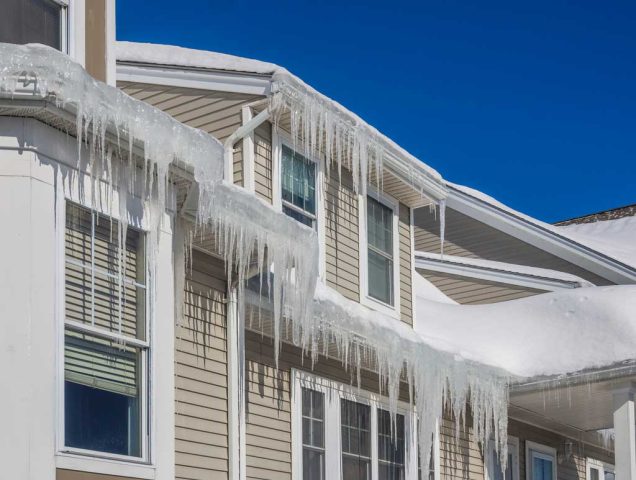
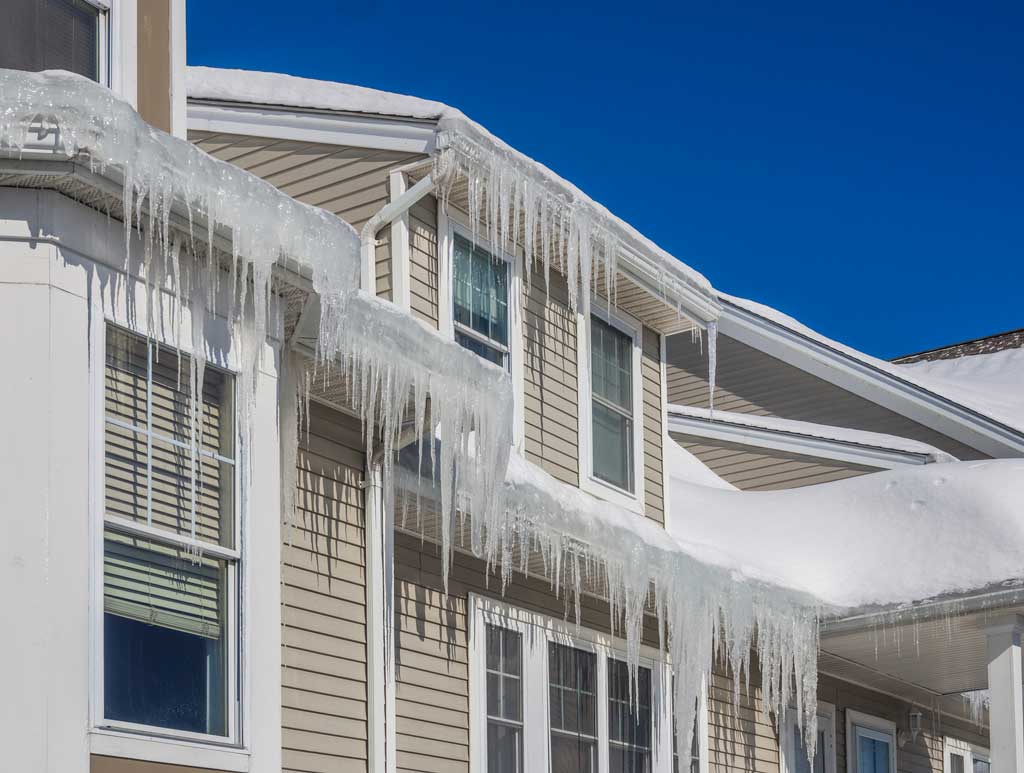
Winter is tough on private well systems in Connecticut. Freezing temperatures, snow, and long cold snaps can lead to frozen well pipes, loss of water pressure, pump strain, and service interruptions. These issues often show up fast, especially when a well or pump has not been winterized or inspected ahead of the season.
Greco & Haines helps Connecticut homeowners and property owners keep well systems running safely through winter. Below are the most common winter well problems we see, what causes them, and the best ways to prevent damage before it starts.
Preparation Before Winter Makes All the Difference
The best way to avoid winter well problems is to prepare early. Well pipes and components that sit near the surface or in unheated spaces are the most vulnerable. Insulating exposed pipes, sealing drafts around basements or well houses, and making sure your pump controls are protected from moisture can prevent freezing and pressure loss. If your system includes a jet pump or above-ground piping, a quick inspection before the first hard freeze is especially important.
It also helps to make sure the wellhead is clear and accessible after snowfalls. If you rely on a generator during outages, test it before winter and confirm it can support your well pump load. A short pre-winter maintenance visit can catch pressure tank issues, wiring wear, or cycling problems that become worse in cold weather.
Inspecting Your Well Before and After Winter
Well inspections ahead of winter are one of the smartest steps a private well owner can take. Cold weather increases wear on pumps, pipes, and tanks, and a small weakness in fall can become a mid-winter emergency. A quick system check lets you confirm pressure settings, evaluate pump performance, and identify any exposed lines that should be insulated or reburied below the frost line.
After winter ends, it is equally important to recheck the system. Freeze thaw cycles can loosen fittings, stress wiring, and introduce sediment into the water supply. If you notice changes in water quality, pressure, or pump cycling after winter, an inspection can prevent larger problems during spring runoff.
The Most Common Winter Well Problems
Frozen Well Pipes and Loss of Water
Frozen well pipes are one of the most common winter emergencies we see. When water freezes, it expands and can block flow, crack pipes, and damage pump components. Freezing usually happens in shallow buried lines, crawl spaces, or any area where cold air reaches plumbing. Warning signs include weak pressure, water sputtering at taps, or no water at all.
If your well pipes freeze, do not use open flames to thaw them. Safe heat sources like space heaters or hair dryers can help if the affected area is accessible, but if the frozen section is underground or near the wellhead, professional help is the safest path. A licensed well contractor can thaw the line, check for damage, and restore flow without risking a burst pipe.
Winter Well Pump Problems
Cold weather can also hit your well pump hard. A pump that is already aging or undersized may run longer to meet demand in winter. If the system is short cycling, struggling to keep pressure, or pulling sediment after a freeze, the pump motor and controls can wear out quickly. In some cases, the issue is not the pump itself but a frozen line or pressure tank problem making the pump work overtime.
If you notice intermittent water, pressure drops, or a pump that seems to run constantly during cold spells, it is a good idea to have the system tested. Catching a pump or pressure issue early can help you avoid a full winter failure.
Power Outages and Well Water Loss
Winter storms often bring power outages across Connecticut, and a private well system depends on electricity to pump water. When the power goes out, your water may stop entirely, and the pump can be stressed when power returns if the system is not protected. Homes with older controls or no surge protection are more vulnerable to pump damage after outages.
If your property loses power often in winter, a backup generator sized for your well pump is the best long-term solution. It also helps to have a professional check the control box and surge protection, since electrical spikes after storms are a common cause of pump failures.
After Winter, Check Your Well System
Even if your well made it through winter without a full shutdown, spring is a smart time to look for hidden damage. Watch for small leaks, pressure changes, or cloudy water that may show up after freeze thaw cycles. A post-winter inspection helps confirm that your pump, pressure tank, and piping are operating normally and that your water supply is clean and stable heading into warmer months.
If you are dealing with frozen well pipes, low water pressure, or no water during a Connecticut winter, Greco & Haines is here to help. Our licensed well specialists diagnose winter well problems quickly and restore safe, reliable water service. Call 203-735-9308, 203-777-2256, or 1-800-922-2958 to schedule an inspection or request emergency service.