

The difference between hard water and soft water affects more than just how your water feels. It can impact your plumbing system, appliances, fixtures, and overall well water efficiency, especially in homes that rely on private wells.
Because well water quality varies widely across Connecticut, the only way to know how your well water is affecting your home is through proper testing and evaluation. Once you understand what type of well water you have, you can make informed decisions about maintenance, treatment, or system upgrades.
The Difference Between Hard Water and Soft Water
Hard water and soft water behave very differently inside your home, even though the differences are not always obvious at first. Hard water contains higher levels of naturally occurring minerals, most commonly calcium and magnesium. Soft water has lower mineral content, either naturally or as the result of water treatment.
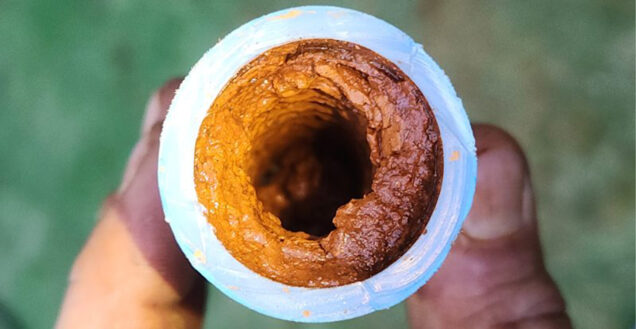
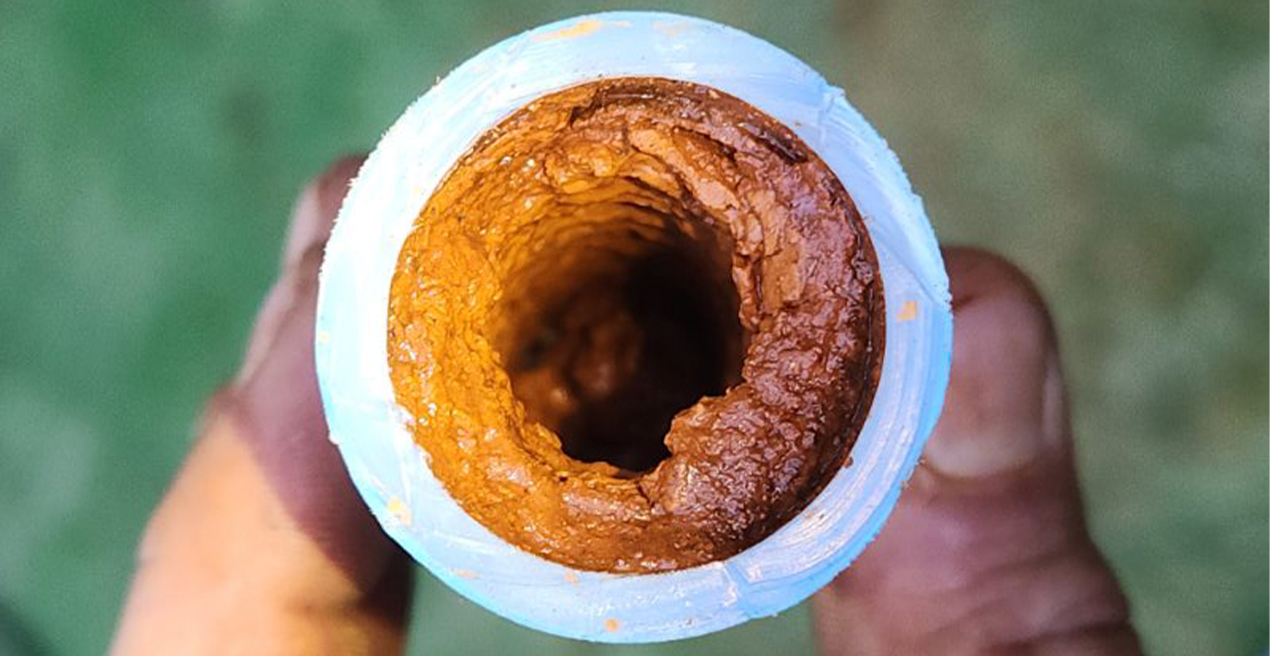
In everyday use, hard water tends to leave mineral residue behind as it flows through plumbing, fixtures, and appliances. Over time, this buildup can reduce efficiency, restrict water flow, and contribute to premature wear on water-using equipment. Soft water, by contrast, moves through systems more cleanly and is less likely to cause scale or mineral accumulation.
For homeowners, the distinction matters because water quality directly affects how well plumbing systems function and how long appliances last. Water heaters, dishwashers, washing machines, faucets, and well water system components can all be impacted by prolonged exposure to hard water. Soft water generally places less stress on these systems and helps maintain consistent performance.
Because private well water varies widely based on local geology and groundwater conditions, two homes in the same area can experience very different water quality. Understanding whether your home has hard or soft water provides important context for diagnosing system issues, planning maintenance, and deciding whether treatment is necessary.
How Hard and Soft Water Affect Plumbing and Appliances
The type of well water in your home plays a major role in how well your plumbing system and appliances perform over time. Hard water can gradually leave mineral deposits inside pipes, valves, fixtures, and water-using equipment. As these deposits build up, they can restrict water flow, reduce efficiency, and place added strain on system components.
In homes with hard water, appliances such as water heaters, dishwashers, washing machines, and coffee makers often have to work harder to perform normally. This extra strain can shorten equipment lifespan, increase energy use, and lead to more frequent repairs or replacements.
Plumbing fixtures may also show visible scale buildup, reduced performance, or uneven water pressure as mineral deposits accumulate.
Soft water places less stress on plumbing systems and appliances because it does not leave the same mineral residue behind. Pipes remain clearer, fixtures operate more smoothly, and appliances tend to maintain consistent performance for longer periods of time.
Over the life of a home, this difference can affect maintenance costs, system reliability, and overall water efficiency.
Because many of these changes happen gradually, homeowners often do not realize water quality is contributing to plumbing or appliance problems until issues become persistent or costly. Identifying whether hard water is affecting your system can help explain recurring maintenance concerns and guide smarter decisions about testing, treatment, or system upgrades.
Why Ignoring Hard Water Can Lead to Bigger Problems
Hard water issues often develop slowly, which makes them easy to overlook or dismiss as routine wear and tear. Over time, however, mineral buildup inside plumbing systems and appliances can compound, leading to more frequent breakdowns, reduced efficiency, and higher long-term costs.
As scale continues to accumulate, pipes and valves may become partially restricted, putting added stress on well pumps and pressure systems. Water heaters and other appliances may require more energy to operate effectively, increasing utility costs while shortening equipment lifespan. In some cases, persistent hard water problems can contribute to uneven water pressure, recurring maintenance issues, or premature system failure.
Because these problems progress gradually, homeowners may not realize water quality is a contributing factor until repairs become costly or disruptions become unavoidable. Addressing hard water early through proper testing and treatment can help prevent unnecessary damage and support more reliable system performance over time.
How to Know If Your Home Has Hard or Soft Water
Many homeowners first suspect water quality issues when everyday systems stop performing the way they should. Hard water often reveals itself through gradual changes rather than sudden failures, which can make it difficult to identify without a closer look.
You may begin noticing mineral buildup on fixtures, reduced efficiency in water-using appliances, or recurring maintenance issues that do not seem to have a clear cause. Plumbing systems may require more frequent attention, and appliances may wear out sooner than expected. These patterns often point to water quality rather than isolated equipment problems.
Because water quality varies widely from one well to another, even within the same area, visual clues alone are not always reliable. The most accurate way to determine whether your home has hard or soft water is through professional water testing. Testing provides clear insight into mineral levels and helps identify whether water quality is contributing to system inefficiencies or long-term wear.
Understanding what type of well water your home has allows you to make informed decisions about maintenance, treatment options, and system protection before problems escalate.
What to Do Next If Hard Water Is Affecting Your Home
If hard water is contributing to plumbing issues, appliance wear, or ongoing maintenance concerns, the next step is understanding exactly what is in your well water. Because mineral levels vary widely between homes, professional water testing provides clear insight into whether hard water is present and how it may be affecting your system.
Testing helps identify mineral content and allows homeowners to make informed decisions about maintenance, treatment options, or system upgrades. Addressing hard water early can help protect plumbing, extend appliance lifespan, and prevent avoidable repair costs over time.
For homeowners who rely on private wells, working with a professional ensures that water quality concerns are properly evaluated and matched with appropriate solutions rather than temporary fixes or guesswork.
From checkups and tests to installations and emergency repairs, our services are available seven days a week and 365 days a year. Get in touch with the Greco & Haines team at 203-735-9308, 203-777-2256, or (toll-free from any CT area code) 1-800-922-2958, or use our online contact form.